Driving revenue with on-site search data for P&O Cruises
Overview
Since 2019, Eclipse and P&O Cruises have collaborated on a high-impact experimentation programme. As part of that programme, our CRO experts helped P&O Cruises run a data-driven series of search tests designed to improve the customer experience and unlock deeper insights to drive revenue across their website.
The project delivered meaningful search improvements and accessibility improvements, with the generated data creating an intelligence layer that has since fed into and informed the wider CRO and experimentation programme.
This joint endeavour has been so successful in 2026 that we have been nominated for not one, but two awards:
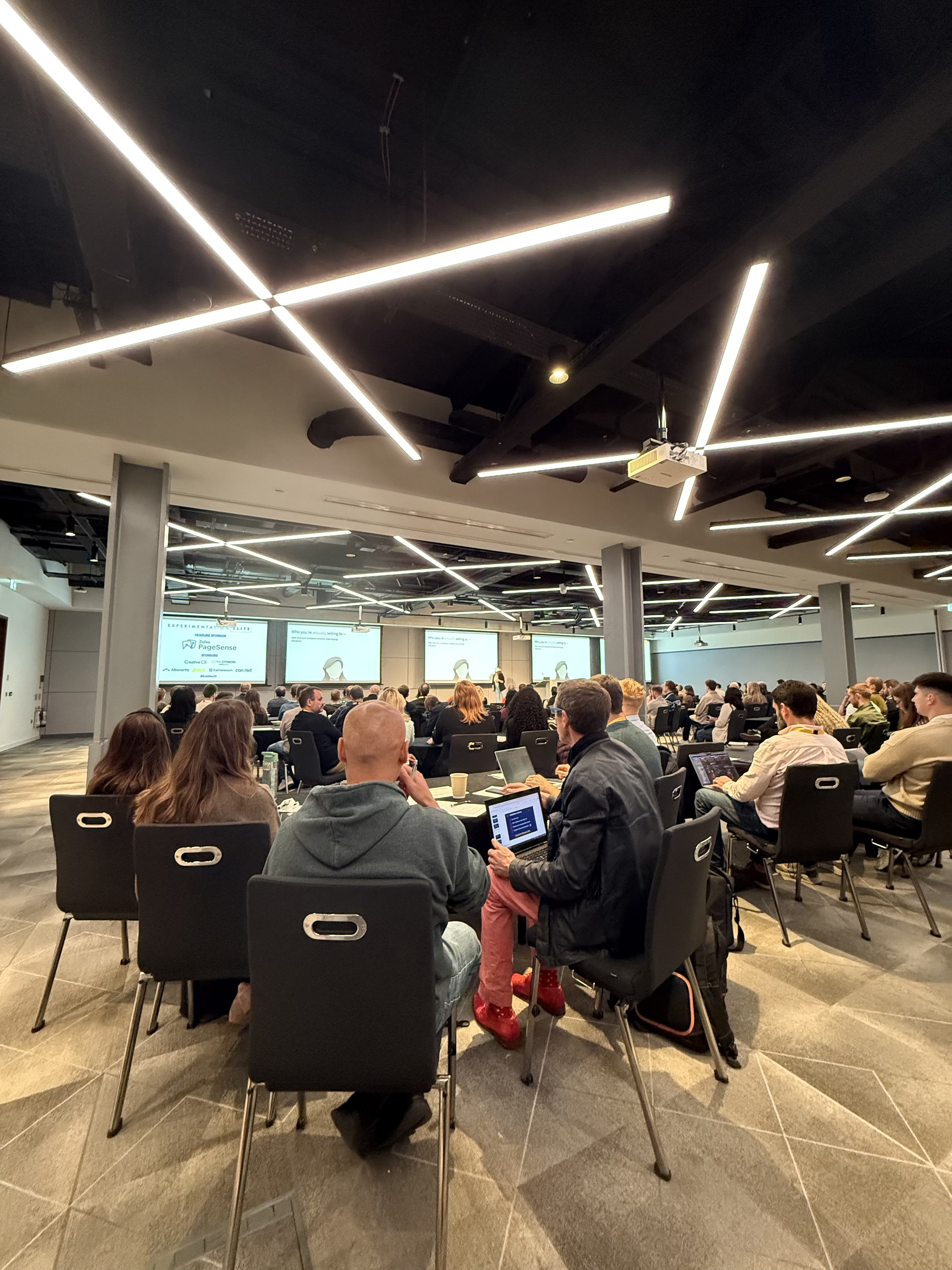
Experimentation Elite Awards 2026 for the E-Commerce category
DataIQ Awards 2026 for the Breakthrough with Data or AI category

The Challenge
The P&O Cruises website has two search interfaces
Find-A-Cruise: A tool that helps the customers find any specific cruise or itinerary.
On-site Search: A traditional commerce search function available on all pages on the site leading to a search results page sourced from all content available on the site.
The focus of the project was on the on-site search tool, which had two significant problems. First, the majority of customer searches were not being recorded and analysed, causing limited visibility into what customers were searching for. Second, when customers used the on-site search, product pages ranked poorly and typos and misspellings returned no results at all, leaving guests at a dead end.
Our Approach
The project began with a discovery that combined quantitative analytics, qualitative customer feedback, competitor research and a review of the search API to build a full picture of the on-site search opportunity.
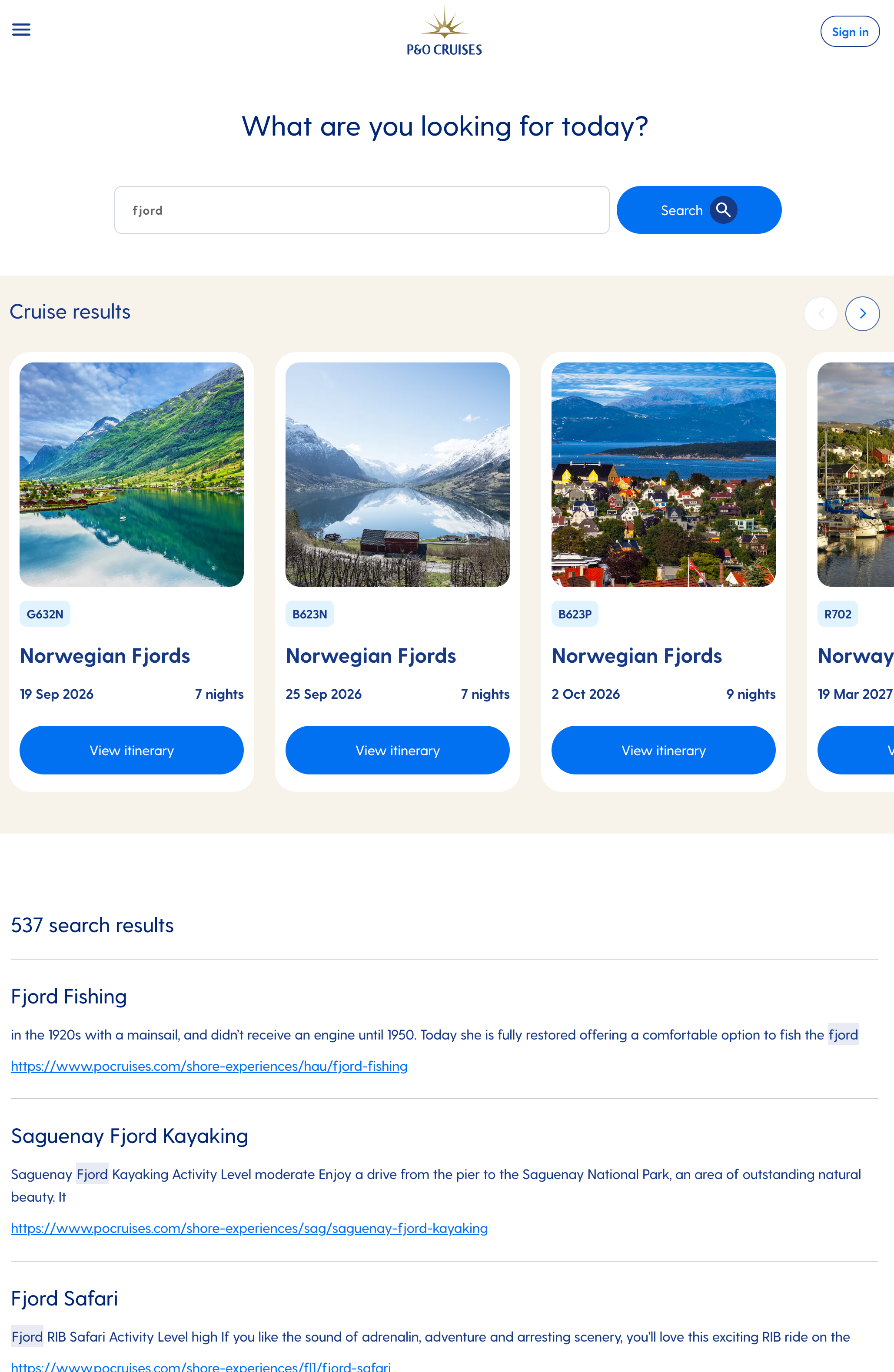
When a search for a specific destination was completed, the results returned blog articles and destination information above product pages, sometimes relegating them to the second page of the search results, adding unnecessary friction to the purchase process.
Our first A/B test introduced product carousel cards when the search term was directly destination-related. This resolved the most visible UX problem and delivered a 10% increase in product page visits.
At the same time, we implemented additional, more granular tracking that allowed us to capture every raw, uncorrected search term to build a dataset of insights for the next series of A/B tests.
What did the search data reveal?
Many users were misspelling common destination names, and because the search required an exact match, it would not return any results. Customer feedback had already highlighted that the site was particularly difficult to use for dyslexic customers; the misspelling data simply confirmed the scale of the problem. Along with that, specific brand-name products were misspelt, including loyalty programmes and onboard restaurants, which also returned no results. Some customers were searching for content they expected to exist but was not available, identifying content gaps on the website.
What did we do?
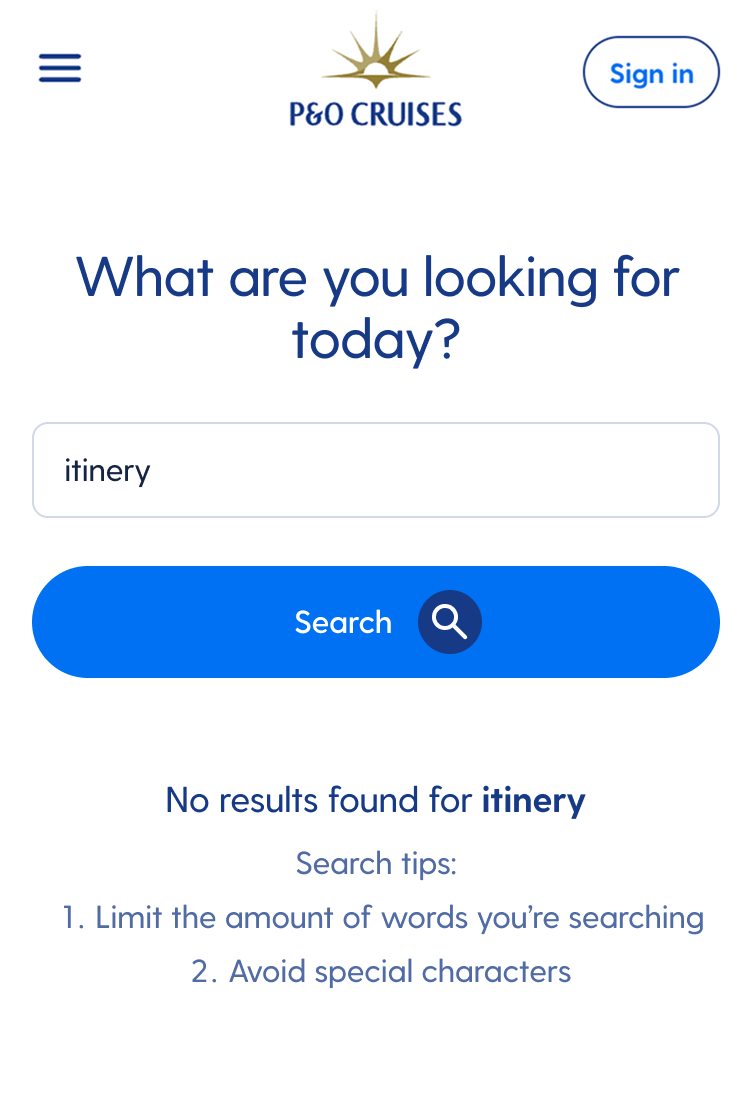
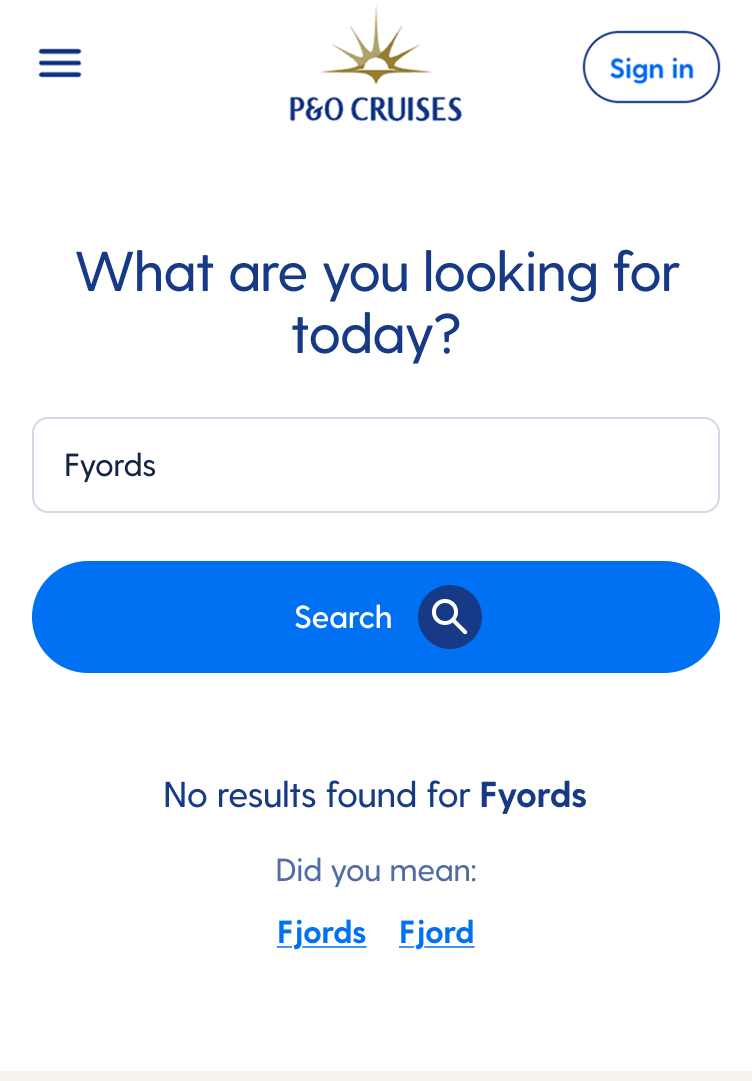
With these insights in hand, we designed the next A/B test to tackle the misspelling problem directly. The control was the baseline on-site search, which returned no results when customers entered misspelt search terms. The variant introduced two complementary layers of spelling correction. The first was the search API's native fuzzy matching, which uses algorithms to identify the closest matching result even when a search term contains spelling errors or typos. The second was Fuzzy Plus, a custom-built layer that sits on top of the API and activates only when native fuzzy matching still returns no results.
This solved two primary issues with the search results:
Misspelling Correction: When the API’s Fuzzy Matching did not return any results, Fuzzy Plus activated and presented customers with suggested spelling corrections rather than autocorrecting silently.
Better Redirection: Instead of leaving customers at a dead end with no results for booking reference numbers, the variant presented a component that provided an easy route for them to log in to the account portal.
The Fuzzy Plus variant was a clear winner, delivering a 6x reduction in searches returning no results and showing directional positive trends in revenue and conversion rate.
The data generated across both tests amounted to over 120,000 search terms. These were fed into a custom-built machine learning classification engine, combining natural language processing with P&O-specific logic to handle terminology no generic tool could recognise, including ship names, loyalty programmes and onboard venues. The engine classified searches into intent categories, revealing a rich picture of customer behaviour: how different customer groups, from solo travellers to families, approach their cruise planning differently, where customers struggle with onboard information such as dress codes and dining, and where gaps exist between what customers expect to find and what the website provides. This new data intelligence layer has since been used to design and prioritise revenue-generating tests across the whole website.
Conclusion
Every website with an on-site search feature should use its search term data for analysis, as it can positively impact customer experience and help achieve business goals. If you have not done this already, you are leaving insight and value on the table.
P&O Cruises converted a blind spot into a data intelligence layer that allowed them to continue optimising their website with incredible results.
Want to find out more about how our CRO experts can help you out? Check out our resources or get in touch to explore unique business opportunities: hello@eclipsegroup.co.uk





.png)


.png)
.png)


